
CONFÉRENCES PLÉNIÈRES
Informations à venir.
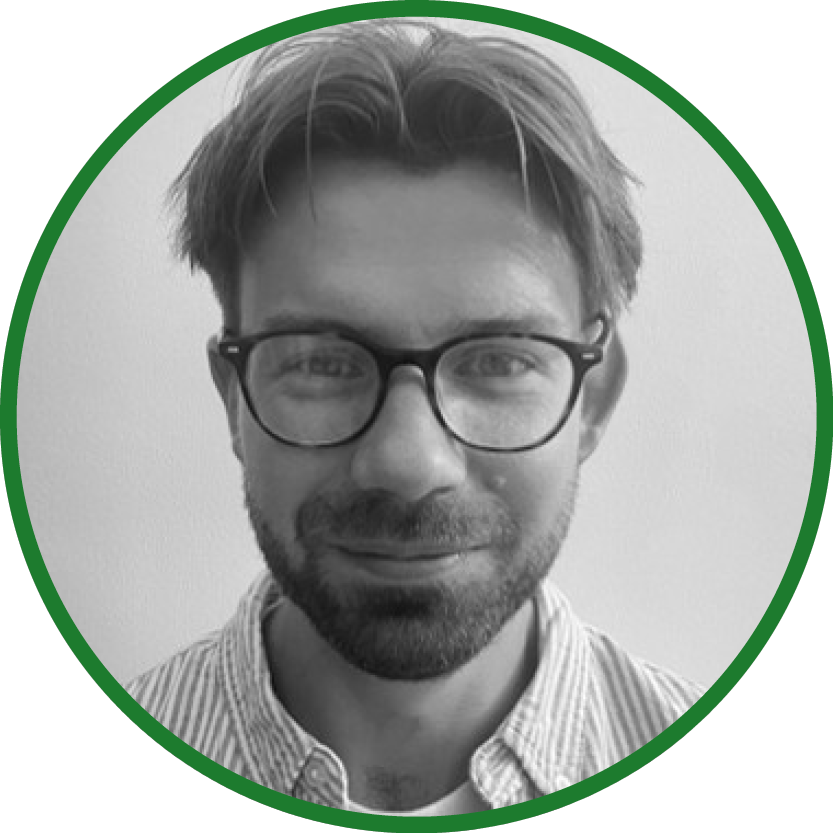
Nom : Dr Paul Ansdell
Associate Professor of Human PhysiologyNorthumbria University, UK
Titre : Sex differences in the integrative response to exercise: acute and chronic implications
Résumé
In this talk Dr Ansdell will provide an overview of how males and females do, and do not, differ in the integrative response to exercise. From the oxygen transport pathway to fatigability of the neuromuscular system, the talk will outline acute considerations for sex differences. The long-term implications of these differences will then be discussed. Do males and females adapt to exercise in the same way? Should they train differently? While there might not be definitive answers to these questions yet, this talk will cover topics that are relevant to scientists and practitioners working with both sexes.
Biographie
Dr Ansdell is an Associate Professor of Human Physiology at Northumbria University in the United Kingdom. His research group focuses on how sex and hormonal status influence physiological function in health and disease. His work spans multiple disciplines, from sport and exercise science to clinical neurology, and combines neurophysiological and integrative physiology techniques to study how physiological systems interact to affect function and performance.
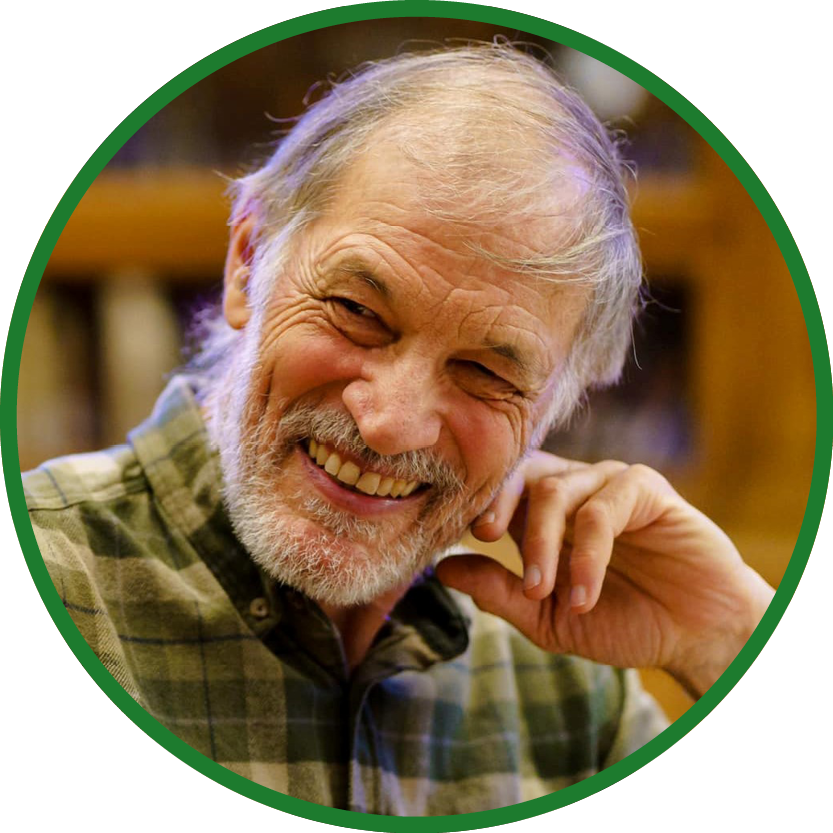
Nom : Pr David Le Breton
Titre : Déclinaisons de la fatigue
Résumé
La fatigue n’est pas un état brut, mesurable, elle est un sentiment, une relation intime au sens et non un seuil biologique. Elle n’est pas seulement « physique », elle englobe l’individu en son entier, et d’abord le rapport à soi et au monde. Si elle s’impose à l’individu à son corps défendant, elle est une puissance de destruction. Si elle est la conséquence d’un engagement physique désiré, elle produit du plaisir, de l’intensité d’être, le sentiment d’aller au bout de soi-même.
Biographie
David Le Breton, professeur émérite de sociologie à l’université de Strasbourg, auteur notamment d’Anthropologie du corps et modernité (PUF-Quadrige) ; La sociologie du corps (Que sais-je); Anthropologie des émotions. Être affectivement au monde (Poche Payot), Marcher la vie. Un art tranquille du bonheur (Métailié poche), L’art du vélo (Poche Payot), Éloge de la marche (Métailié poche), Passions du risque (Métailié poche).
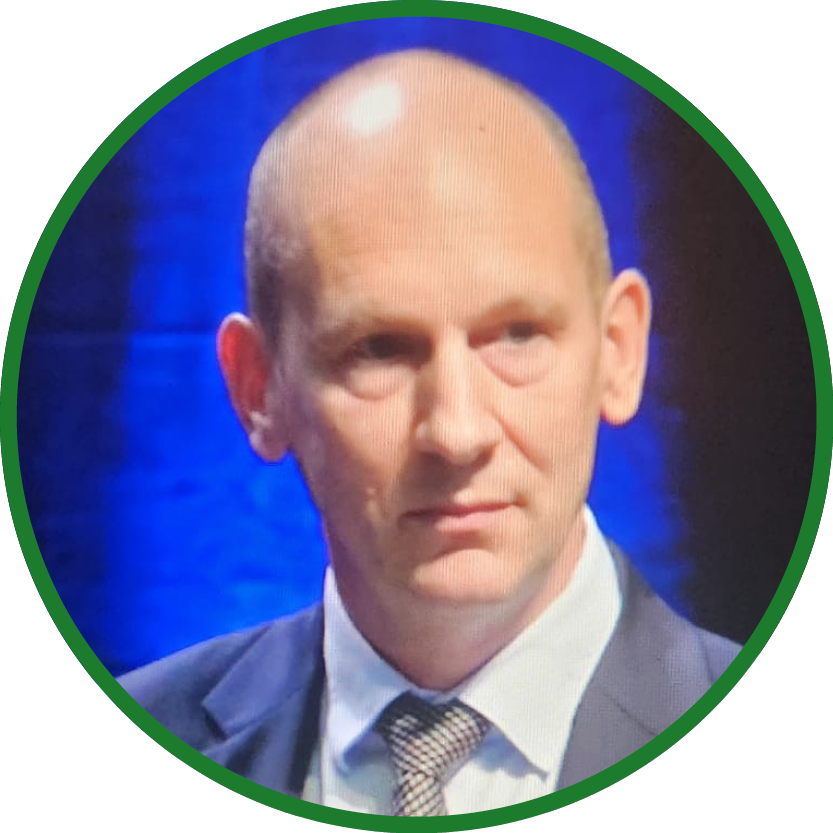
Nom : Pr Fabien Sauvet
Institut de recherche biomédicale des armées (IRBA), Brétigny sur Orge
Université Paris cité, UMR VIFASOM, Paris
Titre : Sommeil et fatigue, une relation paradoxale
Résumé
Le sommeil est un élément clé de la performance. Derrière cet aphorisme se cache une réalisé plus complexe. Le sportif est capable de se priver de sommeil pendant une durée parfois longue, tout en maintenant un haut niveau de performance. Cependant, les dettes de sommeil répétées fragilisent sa santé, favorisent la survenue de blessures et de maladies et altèrent les capacités de régénération musculaire. Ces effets sont liés aux réponses immuno- inflammatoires et métaboliques induits par la dette de sommeil.
Mesurer et optimiser le sommeil sont devenus des axes essentiels dans la préparation physique et mentale et l’anticipation des périodes de dettes de sommeil. L’enseignement des méthodes d’optimisation est également un axe essentiel dans la préparation mentale des athlètes. Il faut cependant veiller à limiter l’utilisation de contre-mesures qui augmenteraient la résistance à la dette de sommeil sans protéger l’état de santé.
Biographie
Fabien SAUVET est professeur de physiologie à l’Académie de santé des armées (ACASAN) et chercheur associé dans l’UMR VIFASOM de l’université Paris Cité. Il dirige le département Rythme opérationnels et contremesures (D. ROC) de l’Institut de recherche biomédicale des armées (IRBA).
Les travaux de recherche qu’il encadre portent que les effets cognitifs et physiologiques de la dette de sommeil, chez les sujets sains, les sportifs et les personnels militaires. Il a contribué à l’évaluation et au développement de stratégies de prévention telles que l’extension de sommeil, la sieste, l’entrainement cérébral ou l’utilisation de caféine. Il a volontairement mené transversaux, incluant des travaux de laboratoire et de terrain.
Il est également très impliqué dans l’enseignement des méthodes d’optimisation du sommeil auprès des préparateurs physique ou du des militaires.
Médecin du sommeil, il conserve une activité clinique à l’Hôpital national d’instruction des armées Percy de Clamart. Il y encadre des projets de recherche sur le stress post traumatique.
Nom : Pr Paola Zamparo
University of Verona, Verona, Italy
Titre : Running economy, efficiency and fatigue: insights from muscle-tendon unit behaviour
Résumé
During locomotion, muscles use metabolic energy to produce mechanical work (in a more or less efficient way); energetics and mechanics can be considered two sides of the same coin, the latter being investigated to understand the former. Since fatigue is generally associated with a decrease in economy and efficiency, investigating the mechanical determinants of energy expenditure allows us to better understand why fatigue occurs. Several approaches can be used to measure/estimate mechanical work and power in human locomotion: from “whole body” approaches (i. e., the bouncing model based on König’s theorem and the spring-mass model) to “peripheral” approaches at the level of the muscle’s fibres (that consume metabolic energy) and tendons (that transmit the mechanical energy produced). Recent data based on in vivo ultrasound analysis of the muscle-tendon units during hopping and running help to interpret changes in economy and efficiency observed at the whole-body level and could be useful to elucidate the mechanical determinants of fatigue at the “periphery”.
Biographie
Paola Zamparo worked for about 20 years in the field of Exercise Physiology at the University of Udine (under the supervision of Prof. di Prampero), and then she moved to the University of Verona, where she is now full professor in the field of Biomechanics. In between, she did her PhD at Manchester Metropolitan University (UK), focusing on the concept of efficiency (under the supervision of Prof. Minetti). Her main field of interest is the interplay between the biomechanics and energetics of human locomotion: i. e., how the mechanical determinants of cyclic sports activities (such as cycling, swimming and running) influence their physiological responses.